The Boutique Agency BD System That Wins Mandates Before the Role Is Posted
Jack Nicoll, co-founder of Shortlists, spent a year talking to 220 UK recruitment agency founders. He asked each of them the same question: do you have a consistent BD system?
Only 3 said yes.
The other 217 were winging it. Responding to job postings. Chasing referrals when they came in. Doing a burst of outreach when the pipeline looked thin, then abandoning it when a live role took over.
The 3 who had a system were billing 2-3x more than the agencies around them.
The 217 were not underperforming because they were bad recruiters. They were underperforming because they were running BD reactively in a market that rewards being early.
That is what this piece is about. Not the theory of proactive recruiting. There is plenty of that on the internet. This is about the actual mechanics of building a BD system that a 3-to-10 seat boutique agency can run consistently without it becoming a second job.
What "proactive recruiting" means in a boutique agency context
The term gets used in two different ways, so it is worth being precise.
In in-house HR circles, proactive recruiting usually means building talent pipelines before roles open. Sourcing passive candidates, nurturing a pool, reducing time-to-hire. That is candidate-side proactivity.
For a boutique recruitment agency, proactive recruiting means something different on the client side: finding fee-earning mandates before the role is posted.
It means getting to the hiring manager before 12 other agencies see the same LinkedIn posting. It means making the introductory call when the company is still scoping the role, not when they are already comparing four-agency shortlists.
Both types of proactivity matter. But for a 5-person UK specialist agency, the client-side BD problem is usually the one that determines whether you are billing consistently or riding a feast-and-famine cycle. Candidate supply is often solvable. Mandate supply is where the constraint lives.
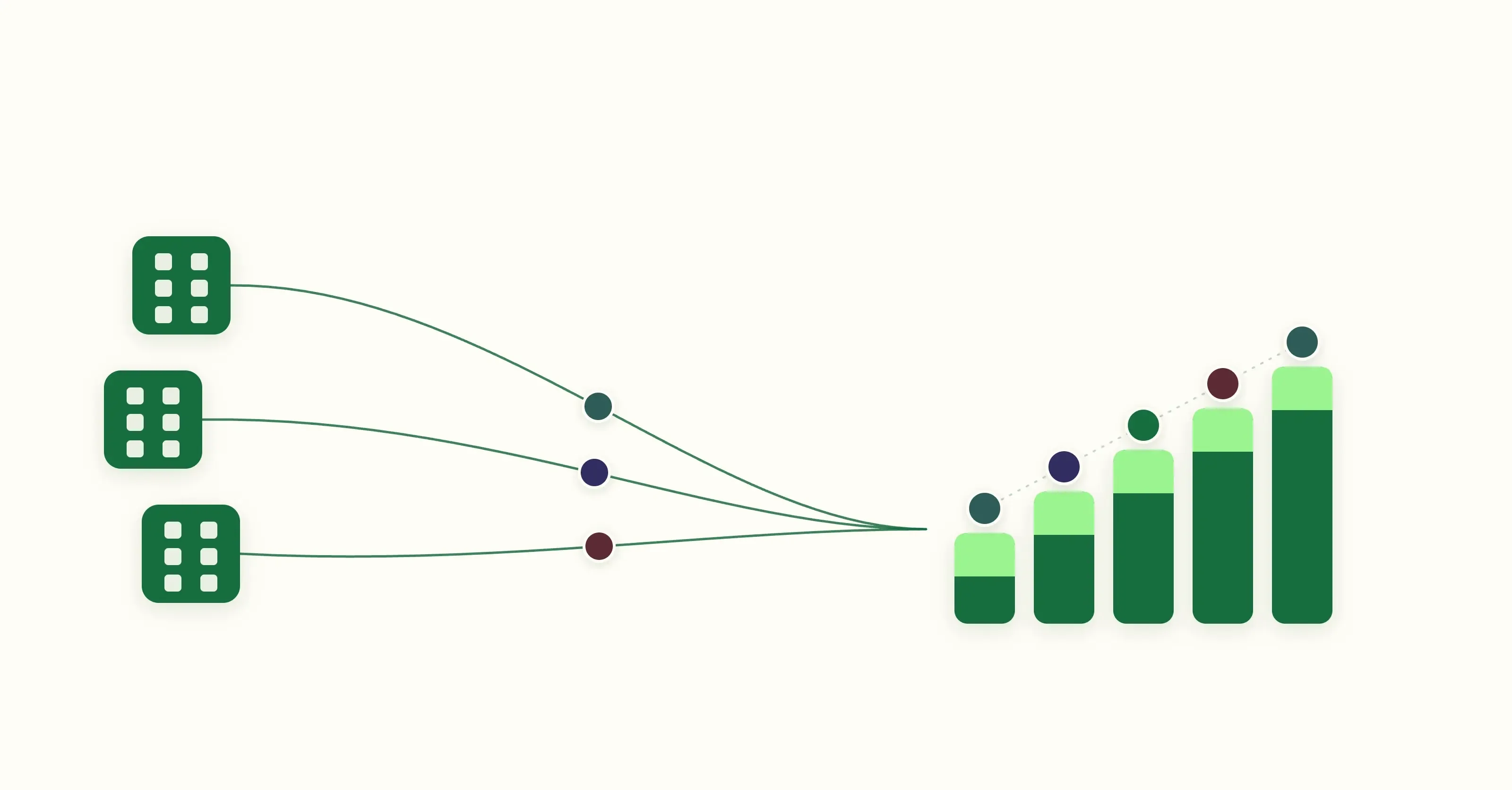
A proactive BD system for a boutique agency has three components: a signal-reading process that tells you which companies are likely to hire soon, a consistent outreach rhythm that does not collapse when the desk gets busy, and a pipeline view that makes BD activity visible, so it does not disappear behind live roles.
Most agencies have none of these running consistently. Most have attempted all three at some point and stopped when a placement took over.
Why most BD falls apart within six weeks
Here is the pattern.
A quiet patch hits. Placements have slowed. The founder books time on Thursday afternoon for BD: call the target account list, update the spreadsheet, send some outreach. It works reasonably well for a few weeks.
Then two live roles come in at the same time.
The Thursday BD slot gets bumped. The spreadsheet does not get updated. The follow-ups do not go out. The quiet patch passes and the problem is forgotten until the next trough.
This is not a discipline problem. It is a systems problem.
When BD lives in a spreadsheet and a Thursday afternoon slot, it is the first thing to get deprioritised when the desk is busy. And in the moment, that makes sense. Live roles pay the bills.
The issue is that BD done only in quiet patches means your pipeline is always 60-90 days behind where it needs to be. The roles you work this month were sourced last month. If you stopped BD last month, this month feels like winging it because it is.
The agencies that bill consistently do not have more discipline than the ones that do not. They have separated their BD signal-reading from their execution time.
The signal-reading runs in the background. The execution, making the calls and sending the outreach, happens when the signal says the timing is right. Not on a fixed calendar slot that gets bumped the moment a live role lands.
That is a different kind of system. And it is the one worth building.
The four signals worth reading every week
Proactive recruiting starts with knowing what to pay attention to.
Not all company activity is a BD signal. A company rebranding its website is not necessarily a hiring signal. A company announcing a funding round, hiring a new VP, or posting multiple adjacent roles is much more relevant.
There are four signals that consistently tend to precede hiring activity by a few weeks. That is long enough to be early, but short enough that the timing is still commercially useful.
1. Funding round closed
A funding round often triggers new hiring activity. These hires are usually senior, specialist, or growth-critical, which are exactly the roles that can carry strong fees for a specialist agency.
The important point is timing. Funding coverage and company announcements often appear before the role is fully scoped, let alone posted publicly.
A recruiter who spots public funding coverage on Monday morning can start a useful conversation with the relevant hiring leader while the internal role brief is still being shaped. By the time the job posting appears, the agency is no longer one of many. They are already part of the conversation.
2. VP-level executive hire
New VPs usually build their team early.
They have a mandate, a budget, and pressure to show progress quickly. The first 60-90 days are when they establish credibility inside the business, and hiring is often one of the first levers they pull.
A recruiter who spots a VP-level announcement and reaches out early is not just cold calling. They are arriving at the exact moment when the hiring manager is likely thinking about team structure, gaps, and speed.
The roles may not be posted yet. They may not even be fully defined. That is the opportunity.
3. Senior leaver in your niche
When a senior person leaves, the company usually has to decide quickly whether to replace them, restructure the role, or split the responsibility across the team.
For a specialist recruiter, that departure is a signal.
The week someone leaves is often the week the hiring manager starts thinking about the role brief. A few weeks later, the role may be public and visible to everyone.
The recruiter who sees the role-change signal early is ahead of the market. They can have a practical conversation before the company is flooded with generic outreach.
4. Adjacent-role posting spike
A company hiring several people in one function often hires around that function next.
A company hiring multiple designers may soon need a design manager. A company posting several software engineering roles may need engineering leadership, product support, DevOps, QA, or delivery capacity. A company building out sales may need RevOps, customer success, or enablement.
The exact pattern depends on your niche, but the principle is consistent: posting volume in one area can be an early warning sign for related hiring needs.
Tracking adjacent-role spikes helps recruiters spot demand before the obvious role appears.
These four signals do not require inside information. They are publicly observable through public company announcements, business and trade media, live news and press coverage, LinkedIn activity, and job board data.
The problem is not access. The problem is time.
Reading those sources manually across enough companies to generate a useful pipeline can easily take 2-3 hours a day. Most agency founders do not have 2-3 hours a day to spend on signal reading. For a breakdown of where the BD hours really go, see the companion piece.
That is where automation changes the picture.
Building the system: three layers
A consistent BD system for a boutique agency has three layers.
Each one can be built manually to start. The point is to understand what each layer does before deciding how much of it to automate.
Layer 1: Signal monitoring
This is the scanning function.
You define your niche: the sectors, job titles, salary bands, and geographies you place in. Then you create a process for reading the four signal types against that niche every morning.
Manually, that might mean saved searches across public funding coverage, company news, trade press, job board alerts, and a LinkedIn feed filtered around target companies and senior role changes.
It works, but it requires daily attention and a lot of triage time.
The automated version, which is what BD Radar does in Shortlists, runs the signal scan across a broad live news and press index, public web sources, job activity, and relevant market signals. That index can include articles published by outlets such as Crunchbase News when those articles appear in the wider news and press ecosystem.
To be clear, this does not mean Shortlists integrates with Crunchbase or PitchBook as platforms, and it does not mean Shortlists licenses their proprietary platform data.
The point is simpler: BD Radar monitors broad public signal activity, matches it against your niche definition, scores each opportunity against the candidates already in your database, and surfaces a ranked list by 8am.
Instead of spending 2-3 hours assembling the list, you spend 20-25 minutes deciding which opportunities are worth acting on.
Layer 2: Outreach cadence
Knowing about a signal is not enough.
The system only works if the outreach happens quickly.
A funding announcement may be warm for about a week. A VP hire may be useful for several weeks. A senior leaver may create a short window before the role is posted or reshaped internally.
After that, the window closes and you are competing with everyone else who noticed.
The outreach layer needs to be fast to execute. That means having templates ready, contact data enriched, and a clear message for each signal type.
The message for a funding signal is different from the message for a senior-leaver signal. The hiring context is different, and the hiring manager's priority is different.
Having those templates ready means outreach takes 10 minutes per opportunity rather than 45.
AI-drafted outreach, like the co-pilot in Shortlists, cuts this further. It reads the signal, pulls the relevant candidate matches from your database, and drafts the hiring-manager email before you have opened the tool.
You review, adjust the tone, and send.
The judgement is still yours. The legwork is handled.
Layer 3: Pipeline visibility
The BD effort has to be visible, or it will get deprioritised when the desk is busy.
That means tracking BD opportunities in the same system as your live roles, not in a spreadsheet that lives in a different tab.
Visibility means knowing how many new BD opportunities entered the pipeline this week, how many are in active conversation, how many are stalled, and what action is due on each one.
The revenue dashboard in Shortlists surfaces this alongside the candidate pipeline, so the health of your BD activity is part of your daily view. It is not a separate project that only gets attention on Thursday afternoons.
The Monday morning routine
In practice, a consistent proactive BD system for a boutique agency can run like this.
You sit down on Monday morning. BD Radar has scanned overnight and surfaced 8-12 opportunities matched to your niche.
You spend 20 minutes reviewing them.
Four are worth acting on: a funding announcement in your sector, a VP hire at a company you have placed with before, a senior leaver in your exact specialisation, and a posting spike at a target account you have been tracking.
You skip the others. Wrong geography, wrong seniority, already in conversation, or not enough fit.
For each of the four you act on, Shortlists has already matched your strongest relevant candidates and drafted the outreach.
You spend 10 minutes adjusting two of the drafts, approve the other two, and queue them to send.
Total time: 30 minutes.
Those four outreach messages go to hiring managers who may not have heard from a recruiter yet. By Wednesday, two have replied. By the end of the week, you have booked one hiring-manager call and have another pending.
That is one potential mandate sourced before the role existed publicly.
Done every Monday, that is 4 potential mandates a month entering your pipeline through signal-led BD, on top of whatever comes through the live market.
Compare that to the Thursday-afternoon-spreadsheet approach.
The spreadsheet approach generates activity when you remember to do it.
The signal-led approach generates activity every week, regardless of how busy the live desk is, because the signal reading and draft preparation happen in the background.
What a consistent BD system does to your pipeline over six months
The compounding effect matters.
If a boutique agency generates 4 BD conversations a month through signal-led outreach, and 25% convert to a live mandate within 90 days, that is 1 new mandate a month entering the pipeline through proactive BD alone.
At an average UK placement fee of £15,000-£25,000 per role, one consistent proactive mandate a month can represent £180,000-£300,000 in annual fee revenue that did not exist before the system was in place.
That figure sits on top of the reactive revenue the agency was already generating.
The agencies in Jack's sample that had a consistent BD system were not necessarily better at placement. They were better at mandate supply.
They had more roles to work because they were finding roles before the market saw them.
That is what a proactive recruiting system buys you.
Not a miracle. A pipeline that does not run dry.
Frequently asked questions
What is proactive recruiting for a recruitment agency?
For a boutique agency, proactive recruiting means finding client mandates before the role is posted. It means reading signals, such as funding announcements, executive hires, senior leavers, and posting spikes, that suggest a company may be about to hire. Then it means contacting the right hiring manager while the role is still being scoped. It is the client-side equivalent of building a passive candidate pipeline. The goal is to be first, not fastest.
How is proactive recruiting different from reactive recruiting?
Reactive recruiting starts when a role hits a job board. By that point, multiple agencies have seen the same posting, the hiring manager already has outreach in their inbox, and the fee negotiation starts under competitive pressure. Proactive recruiting starts earlier, at the signal stage. You are reaching the hiring manager before the brief is finalised and before the market has crowded around the same opportunity.
How long does it take to build a consistent BD system?
The signal-reading layer takes about a week to configure manually. You need a niche definition, a set of sources to monitor, and a process for reviewing signals each morning. The outreach layer usually takes 2-3 weeks to build and refine: templates for each signal type, an enrichment workflow for new contacts, and a cadence for follow-ups. The pipeline visibility layer depends on your CRM. If it is set up to track BD separately from live roles, you can usually get to a usable view within a month. Using a tool like Shortlists, most of this runs from day one.
Why do most boutique agencies fail at proactive recruiting?
The usual failure mode is not effort. It is structure. BD that lives in a spreadsheet and a Thursday calendar slot gets deprioritised when the live desk is busy. That is exactly when the pipeline most needs replenishment. The fix is separating the signal-reading from the execution time. Signal-reading should run in the background. Execution should happen when the signal tells you the timing is right. When the two are treated as one big "do BD now" task, BD will almost always lose to live roles.
What is the right volume of proactive outreach for a small agency?
For a 3-7 seat niche agency, 4-8 high-quality proactive touches per week is more sustainable and more effective than 40 low-quality ones. Each touch should be triggered by a real signal, addressed to a named hiring manager, and connected to a specific candidate match. Volume without signal quality is cold calling with extra steps. Four targeted outreach messages to warm signals can outperform 40 generic messages to a contact list.
Does proactive recruiting work for retained searches?
Yes. Retained search is often won before the client issues the brief, not after. The recruiter who spots the funding announcement, calls the new CPO early, and has a useful conversation about the team they are building is much more likely to be remembered when the role brief is ready. Retained mandates rarely go to whoever responds fastest to an RFP. They go to the person the hiring manager already trusts. Proactive signal-led BD is how that trust gets built.
How Shortlists handles this
BD Radar is built to run the signal-reading layer automatically.
You configure your niche once: the sectors, job titles, geographies, and salary bands you place in. From that point, BD Radar monitors broad public signal activity, including live news and press coverage, public company updates, job activity, and other relevant hiring indicators.
That live news and press index can include articles from outlets such as Crunchbase News when those articles appear in the broader public index. It should not be understood as a Crunchbase or PitchBook integration, and it is not a claim that Shortlists licenses proprietary data from those platforms.
From there, BD Radar surfaces a ranked opportunity list by 8am, auto-matches candidates from your database, and drafts the outreach. You do not manage the scanning. You manage the decisions.
The rest of Shortlists handles the other two layers. The pipeline view keeps your BD opportunities visible alongside your live roles. The revenue dashboard shows BD activity as part of your desk health, not as a separate side project. The AI co-pilot supports the drafting.
The whole system is included at $120/user/month, with no annual contract and no separate BD tool subscription on the side.
See how BD Radar works, or see the full Shortlists feature set.
If you are currently inside a Bullhorn, Vincere, or Loxo contract and want to start building a proactive BD system before your renewal comes up, the $40/month contract bridge lets you run Shortlists in parallel until your existing contract ends. Ask about it when you book a demo.
Next steps
A consistent proactive recruiting system for a boutique agency takes about a month to build from scratch.
The signal-reading layer is the hardest part to run manually at useful scale. Automating it with BD Radar is the fastest way to get the system operational without adding 2-3 hours of daily signal monitoring to your week. To see where those hours currently go, read where the BD hours really go.
Try Shortlists free or book 15 minutes with Jack. He will run BD Radar live on your niche and show you the signals it is reading right now in your sector. No slide deck. No canned demo.
Sources: Jack Nicoll, co-founder of Shortlists; Shortlists BD Radar feature page; Shortlists pricing page; public company announcements, live news and press coverage, LinkedIn activity, and job posting signals.
The scanning runs in the background. The decisions stay with you.